Technologies
Flowmeter types and where each fits
10 options. We recommend the one that suits your application, not the one that happens to be in stock.
01
Volumetric
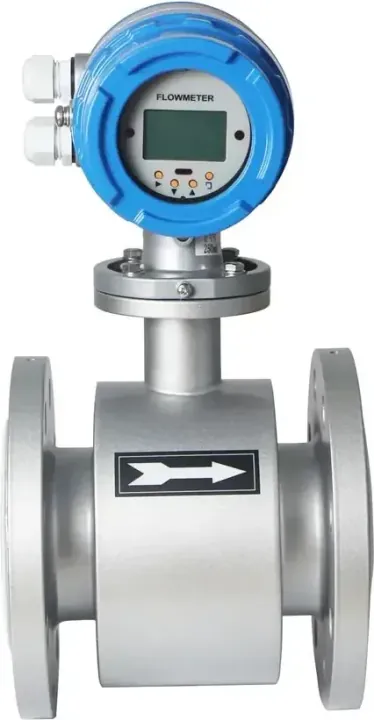
Electromagnetic (Mag) Flowmeter
A full-bore meter with no moving parts and no pressure drop. The standard for raw water, sewage and chemical slurries, provided the liquid is conductive.
Best for
Water, wastewater, conductive liquids
Full boreNo pressure loss
02
Volumetric
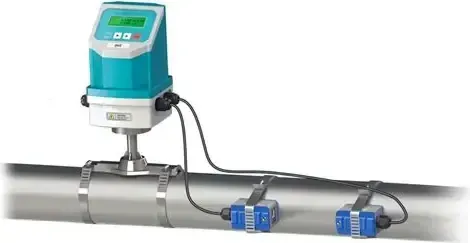
Ultrasonic Flowmeter
Clamp-on transducers measure from outside the pipe, so there is no pipe cutting and no process shutdown. Inline versions serve large water mains and custody applications.
Best for
Water, liquids, large pipes
Clamp-onNo shutdown
03
Volumetric
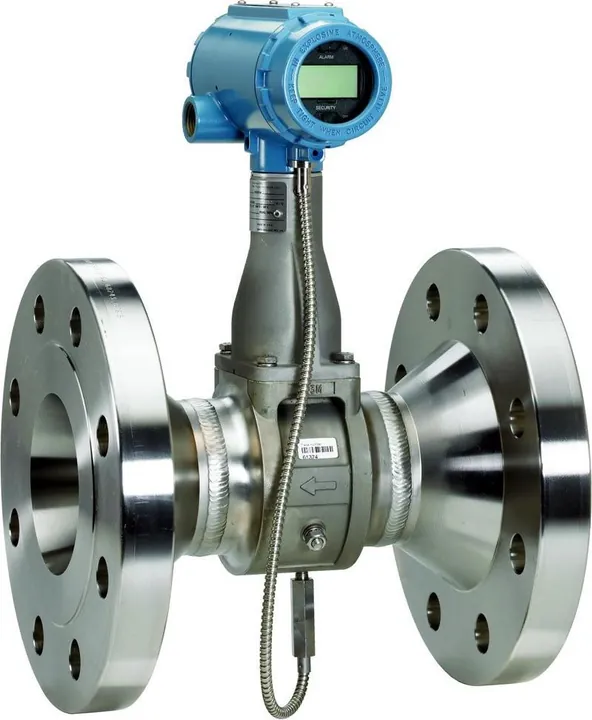
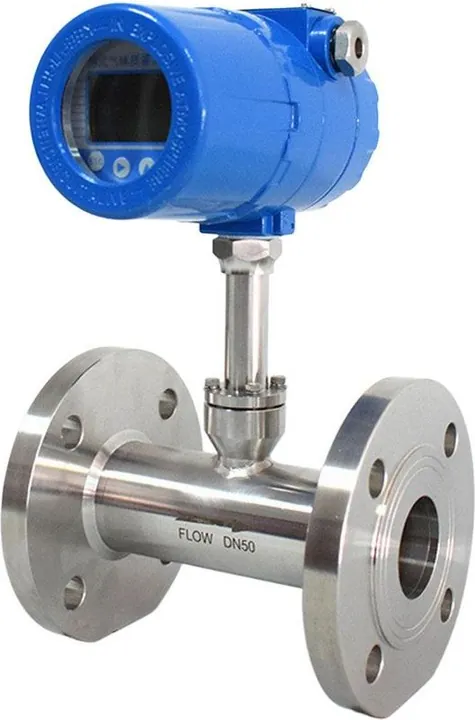
Vortex Flowmeter
Counts the vortices shed behind a bluff body. Robust at high temperature, which makes it the usual choice for steam, compressed air and gas totalisation.
Best for
Steam, water, air, gases
High temperatureSteam
04
Mass
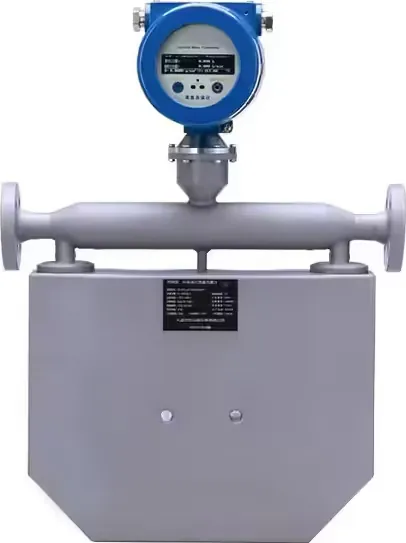
Coriolis Mass Flowmeter
Measures mass flow directly, together with density and temperature, independent of fluid properties. The reference for custody transfer, batching and blending.
Best for
Liquids and gases, mass flow
Direct massDensityCustody transfer
05
Mass
Thermal Mass Flowmeter
Infers gas mass flow from heat carried away by the stream. Very sensitive at low velocities, ideal for compressed air audits and leak detection.
Best for
Air, gas, compressed air
Low flowGas mass
06
Inferred
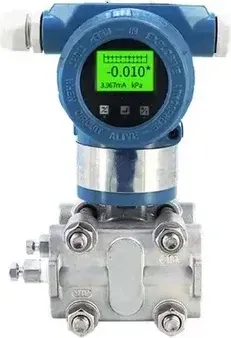
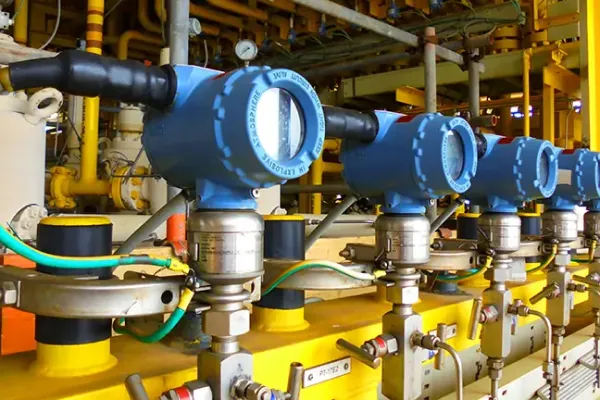
Differential Pressure (DP)
Orifice plates, Venturi tubes and averaging pitot tubes paired with a DP transmitter. Universally understood, standardised and suitable for almost any fluid.
Best for
Water, steam, gas, air
Orifice / VenturiStandardised
07
Local indication
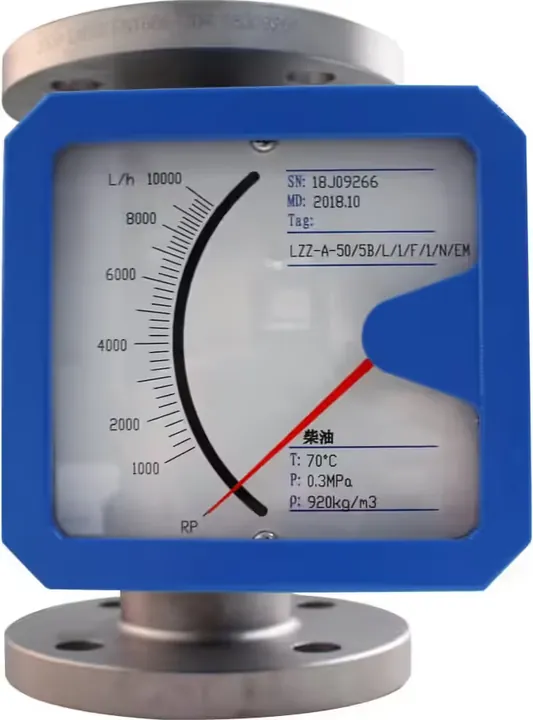
Variable Area / Rotameter
A float rises in a tapered tube to give a direct visual reading with no power. Simple and economical for purge, sampling and dosing lines.
Best for
Low-flow measurement
No powerVisual
08
Volumetric
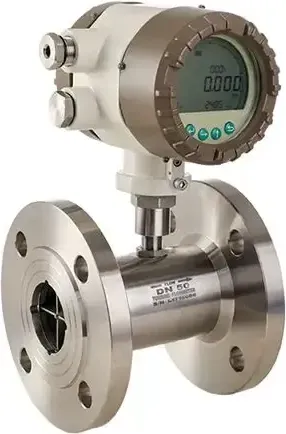
Turbine Flowmeter
A rotor spins in proportion to velocity, giving high accuracy and repeatability on clean, low-viscosity fluids.
Best for
Clean liquids and gases
High repeatability
09
Volumetric
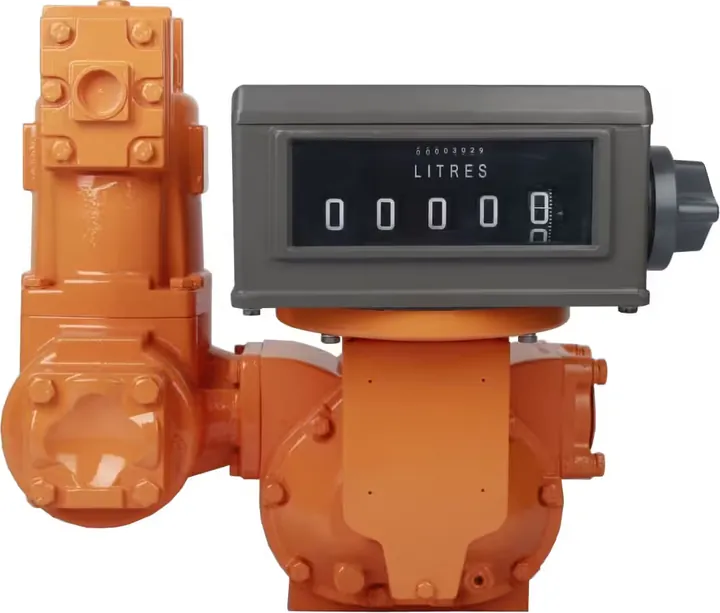
Positive Displacement (PD)
Traps and counts fixed volumes of fluid. Accuracy improves with viscosity, and no straight pipe run is needed.
Best for
Oil, fuel, viscous liquids
Viscous fluidsNo straight run
10
Level-to-flow
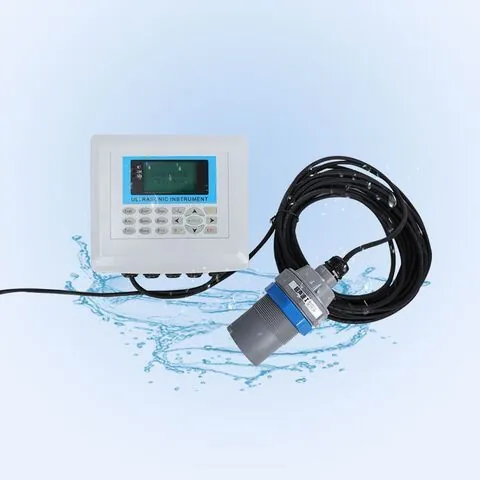
Open Channel Flowmeter
An ultrasonic or radar level sensor over a flume or weir converts level into flow for gravity-fed, partially filled channels.
Best for
Sewage, channels, drains
Flume / weirNon-contact