Electrochemical Toxic Gas Detectors
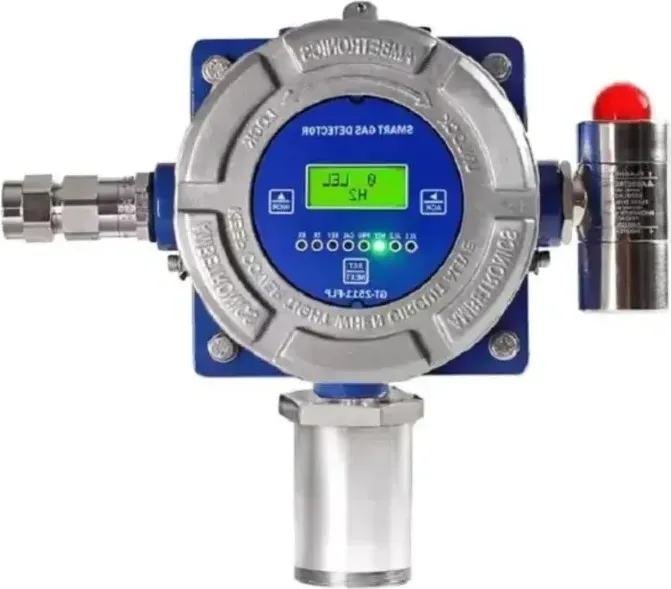
Gas-specific cells for hydrogen sulphide, carbon monoxide, chlorine, ammonia, sulphur dioxide and oxygen deficiency or enrichment, reading in ppm or % volume.
Best for
H₂S, CO, Cl₂, NH₃, O₂
Fixed multi-gas detection for toxic gases such as H₂S and CO, combustible gases such as methane, and oxygen deficiency, engineered as a complete system from sensor head to alarm and shutdown.
Many of the gases that injure people cannot be seen and are not reliably smelled. Hydrogen sulphide deadens the sense of smell at dangerous concentrations; methane and carbon monoxide have no odour at all.
A gas detection system is only as good as its design: the right sensor technology, mounted at the right height for the gas density, with alarm levels, beacons, sounders and executive actions that are tested and maintained.
Typical applications
Where it is used
7 options. We recommend the one that suits your application, not the one that happens to be in stock.
Gas-specific cells for hydrogen sulphide, carbon monoxide, chlorine, ammonia, sulphur dioxide and oxygen deficiency or enrichment, reading in ppm or % volume.
Best for
H₂S, CO, Cl₂, NH₃, O₂
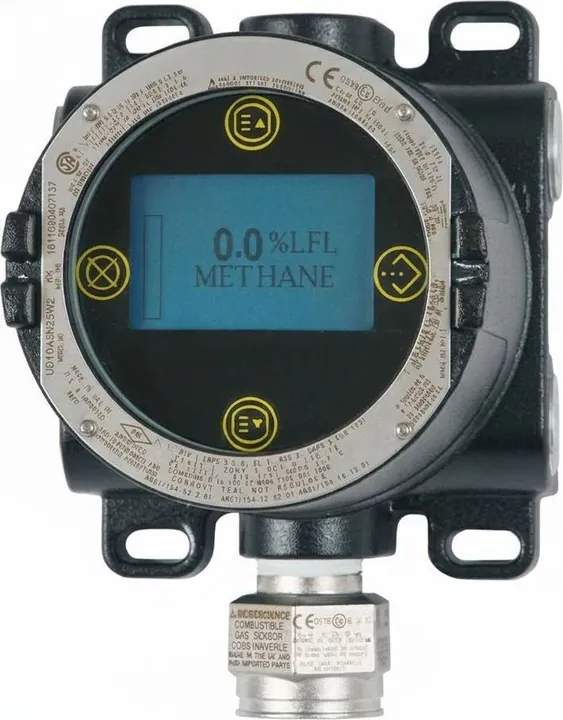
The established, economical way to detect flammable gases and vapours as a percentage of the lower explosive limit, including hydrogen.
Best for
Methane, LPG, hydrogen, solvent vapours
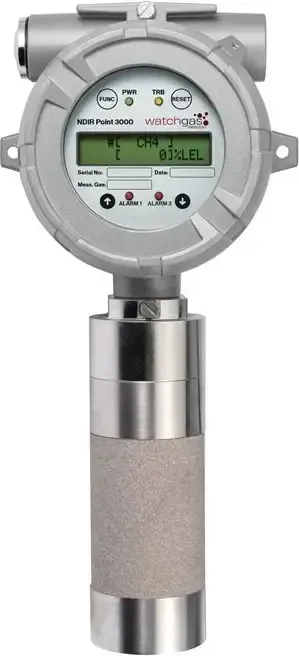
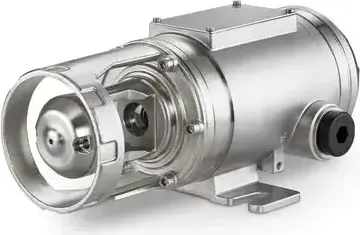
Optical sensing for hydrocarbons and carbon dioxide. Immune to sensor poisoning, works without oxygen, fails to safe and needs far less calibration.
Best for
Hydrocarbons, CO₂, harsh environments
An infrared beam monitors a line of sight tens of metres long, covering fence lines, tank farms and pipe racks with a single instrument.
Best for
Perimeters, tank farms, pipe racks
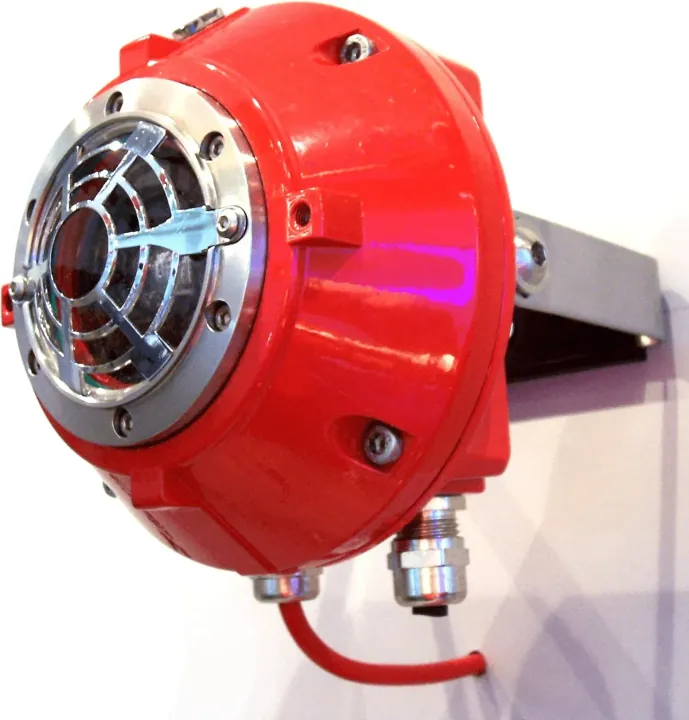
UV, IR and multi-spectrum optical detectors that respond to flame within seconds while rejecting sunlight, welding and hot surfaces.
Best for
Fuel handling, loading bays, turbines
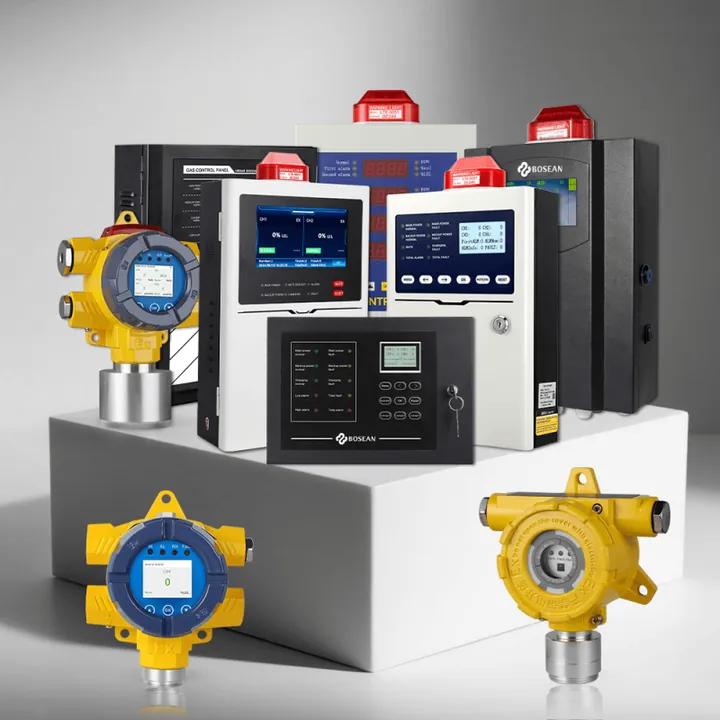
Gas control panels with relay and 4–20 mA / Modbus outputs, visual and audible alarms, and integration into PLC, SCADA and fire and gas systems.
Best for
Alarm, ventilation and shutdown actions
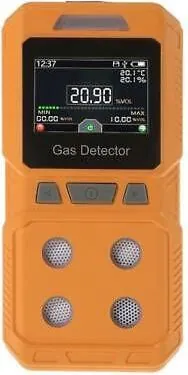
Single-gas and four-gas personal monitors for confined space entry and field crews, with docking stations for bump test and calibration.
Best for
Confined space entry, field crews
Identify every toxic, flammable and asphyxiant hazard, and whether a release would be a leak, a spill or a process upset.
Light gases rise, heavy gases pool. Sensor height and position follow gas density, ventilation and likely leak points.
Hazardous-area certification, temperature, humidity and potential sensor poisons decide the sensing technology.
Alarm set-points, who is alerted, and what happens automatically: ventilation, isolation or shutdown.
Toxic gases such as hydrogen sulphide (H₂S), carbon monoxide (CO), chlorine, ammonia and sulphur dioxide; combustible gases such as methane, LPG and hydrogen; carbon dioxide; and oxygen deficiency or enrichment.
Position follows gas density and likely leak points. Gases lighter than air, such as methane and hydrogen, rise, so detectors go high. Gases heavier than air, such as LPG and hydrogen sulphide, collect at low level, so detectors go near the floor. Detectors should also be placed close to potential leak sources and in the path of air movement.
Catalytic bead sensors burn the gas on a heated element and detect most flammable gases including hydrogen, but they need oxygen and can be poisoned by silicones and sulphur compounds. Infrared sensors measure light absorption, are immune to poisoning, work without oxygen and fail to safe, but they cannot detect hydrogen.
LEL is the lower explosive limit: the lowest concentration of a gas in air that can ignite. A reading of 100 % LEL means the atmosphere has reached that concentration. Alarms are set well below it, commonly at 10–25 % LEL.
Follow the manufacturer's instructions and site standards. Fixed detectors are commonly calibrated every three to six months, and portable monitors are bump tested before each day's use.