Skip to content
+966 55 744 0813 WhatsApp
Instrumentation · PT-310

Pressure you can trust under pressure.

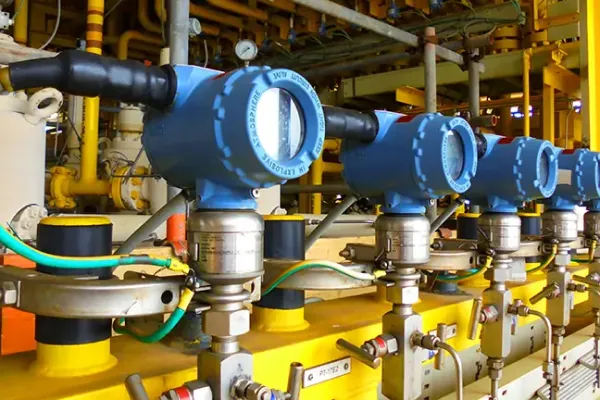
Rugged field hardware built to withstand high pressure, vibration and hazardous chemical environments, from a local dial gauge to a remote-seal differential pressure transmitter.

Overview

Pressure is the most widely measured process variable. It keeps pipelines and vessels inside safe limits, controls pumps and compressors, and is the basis for many level and flow measurements.

We select the measuring cell, wetted materials, process connection and output to suit the medium and its temperature, whether that is clean water, saturated steam or a hot, corrosive product.

Typical applications

Where it is used

  • High-pressure pipelines
  • Pump & compressor stations
  • Reaction vessels
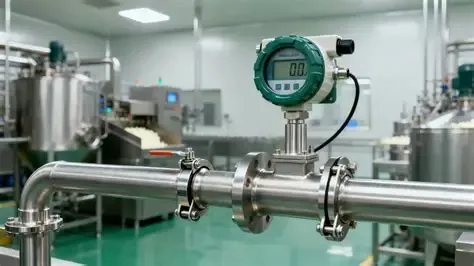
  • Sanitary food & beverage lines
  • Filter & strainer monitoring
  • Boilers & steam headers
  • Chilled water differential pressure
  • Hydrostatic tank level
Technologies

Pressure instruments we supply

6 options. We recommend the one that suits your application, not the one that happens to be in stock.

Bourdon Tube Pressure Gauge
01 Local indication

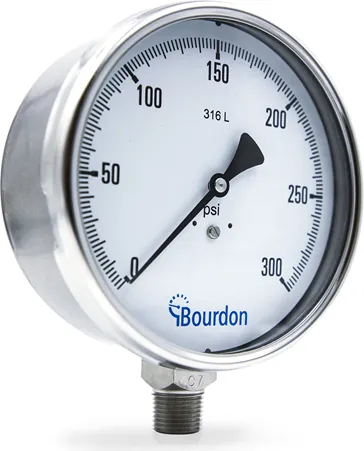
Bourdon Tube Pressure Gauge

High-quality mechanical gauges for the process industry, including safety-pattern designs for increased safety requirements. No power, always readable at the point of measurement.

Best for
Local indication on pumps, vessels and pipelines

No powerSafety pattern
Universal Pressure Transmitter
02 Gauge / absolute

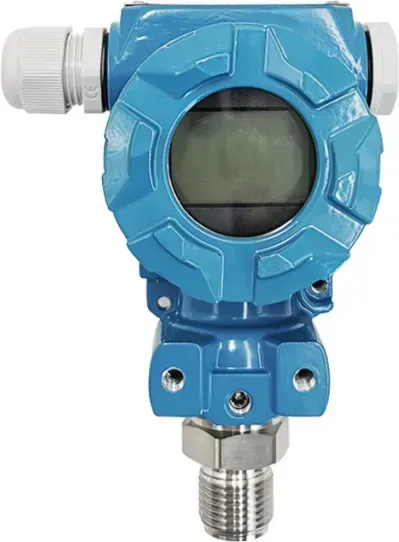
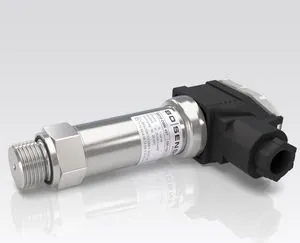
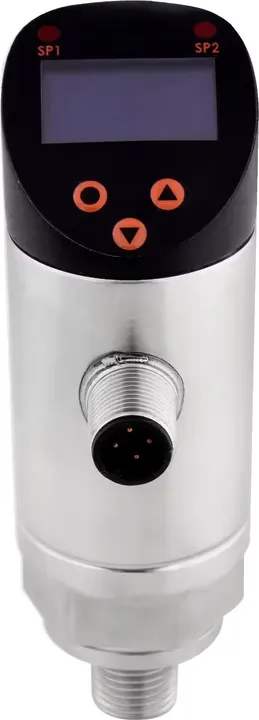
Universal Pressure Transmitter

Metallic or ceramic measuring cells for gases, vapours and liquids. Options include hygienic process adapters, an on-site display with local operation and 360° switching status indication.

Best for
General process, utilities and hygienic lines

Up to 130 °C4–20 mA / HARTHygienic adapters
Submersible Pressure Transmitter
03 Hydrostatic

Submersible Pressure Transmitter

A ceramic-cell hydrostatic transmitter for level measurement in water, wastewater, deep wells and ship tanks.

Best for
Wells, reservoirs, wet wells

0…60 bar-20…80 °C0.1 % accuracy
Transmitter with Chemical Seal
04 Remote seal

Transmitter with Chemical Seal

A diaphragm seal isolates the sensor from the process. Matched to each application for highly corrosive, crystallising or very hot products.

Best for
Corrosive and hot media

-1…1000 bar-90…400 °C0.2 % accuracy
Differential Pressure Transmitter
05 Differential

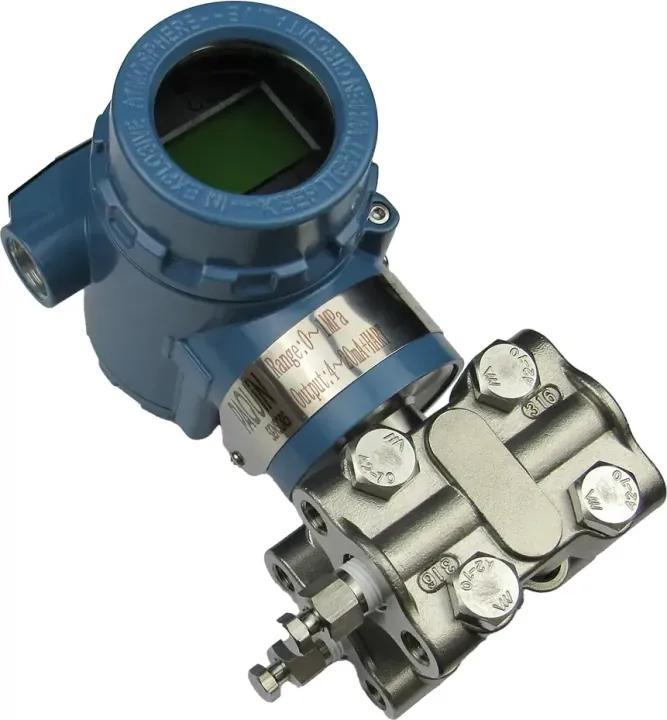
Differential Pressure Transmitter

Measures the difference between two points for filter monitoring, flow across a primary element and level in pressurised vessels. Electronic DP pairs two sensors and removes impulse lines and capillaries.

Best for
Filters, flow elements, closed tanks

DP flowElectronic DPCapillary seals
Pressure Switch
06 Switching

Pressure Switch

Mechanical and electronic switches for pump protection, compressor control and simple high/low alarms.

Best for
Pump and compressor protection

Alarm / trip

Selection

How we choose the right instrument.

01

Medium & materials

Gas, vapour or liquid, and how aggressive it is. This decides wetted materials and whether a chemical seal is needed.

02

Temperature

Process temperature drives the choice between direct mounting, cooling elements and remote seals.

03

Range & reference

Gauge, absolute or differential? Size the range so normal operation sits comfortably mid-scale.

04

Connection & output

Threaded, flanged or hygienic connection, plus the signal your control system expects.

FAQ

Questions we hear most.

Not answered here? Ask an engineer directly.

Ask on WhatsApp

What is the difference between gauge, absolute and differential pressure?

Gauge pressure is measured relative to atmospheric pressure. Absolute pressure is measured relative to a perfect vacuum. Differential pressure is the difference between two process points, used for filter monitoring, flow across a primary element and level in pressurised tanks.

When do I need a pressure transmitter with a diaphragm (chemical) seal?

When the process medium is highly corrosive, very hot, viscous, crystallising or must be kept hygienic. The seal isolates the sensor from the process and transfers the pressure through a fill fluid.

Can a pressure transmitter be used to measure level?

Yes. In an open tank, the hydrostatic pressure at the bottom is proportional to the liquid height, so a pressure or submersible transmitter can report level. In a closed, pressurised tank a differential pressure transmitter is used to cancel out the gas pressure above the liquid.

What output signals do your pressure transmitters provide?

Typically 4–20 mA, with HART for remote configuration and diagnostics. They can be wired directly into PLC, SCADA and data logging systems.