Skip to content
+966 55 744 0813 WhatsApp
Instrumentation · LT-101

Know exactly what is in the tank.

From a water reservoir to an agitated chemical reactor or a dusty cement silo, we supply and configure contact and non-contact level instruments matched to the medium, the vessel and the process conditions.

Overview

Level is the measurement most plants depend on every hour: it protects pumps from running dry, stops tanks from overfilling, and tells operations and finance how much product is actually on site.

We cover basic point-level detection, continuous level, interface and volume measurement in tanks, silos, sumps, wells and movable containers, for liquids, pastes, bulk solids and liquefied gases.

Typical applications

Where it is used

  • Water reservoirs & elevated tanks
  • Sewage lift stations & wet wells
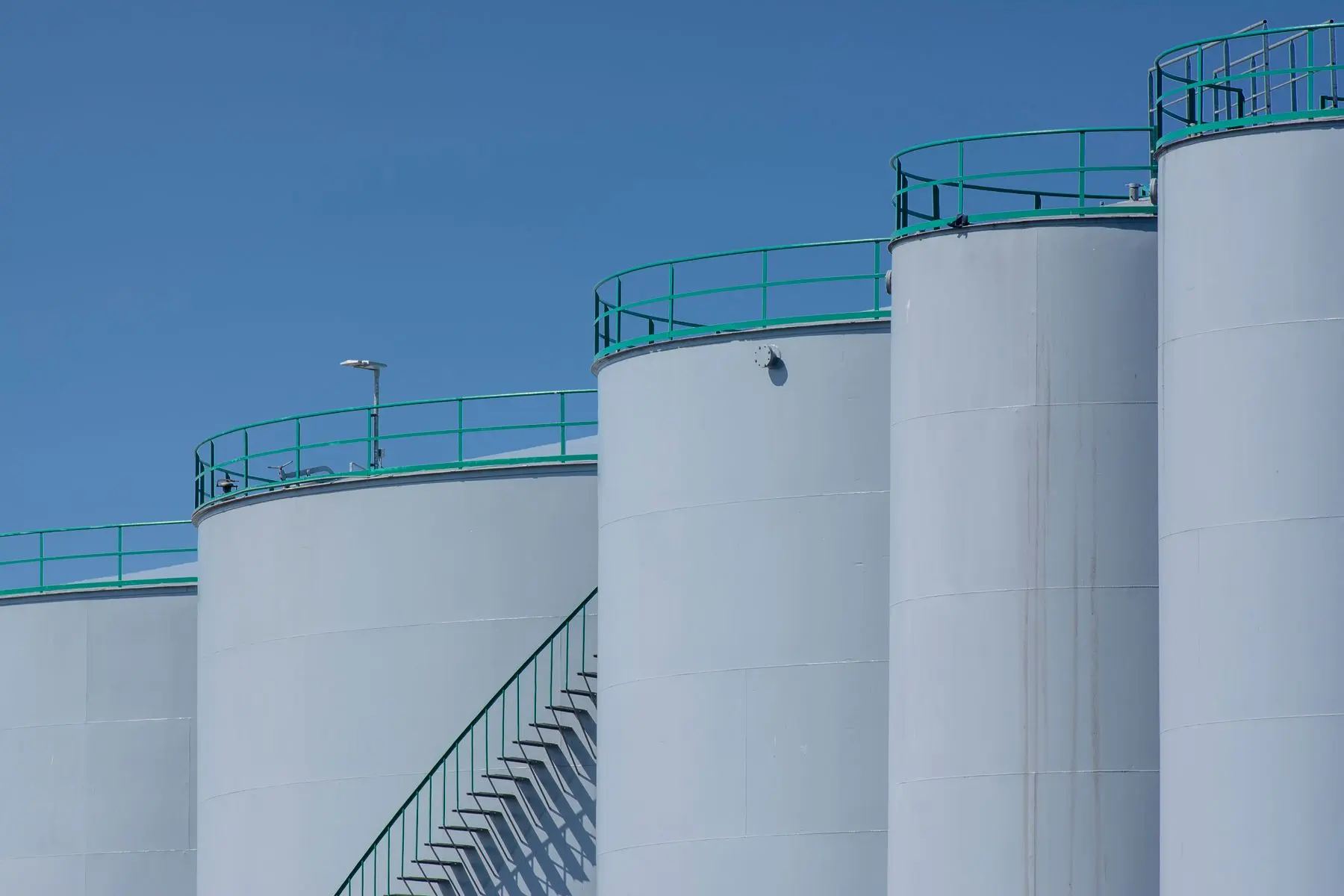
  • Chemical & fuel storage tanks
  • Cement, aggregate & powder silos
  • Deep wells & boreholes
  • Separators & process vessels
  • Open channel flow
  • Tank farm inventory
Technologies

Level technologies we supply

7 options. We recommend the one that suits your application, not the one that happens to be in stock.

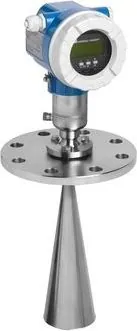
Non-Contact Radar Sensor
01 Continuous

Non-Contact Radar Sensor

A tightly focused radar beam measures from above without touching the product. It ignores vapour, temperature swings and build-up, and fits narrow tanks, agitated vessels and extreme dust.

Best for
Liquids and bulk solids, agitated vessels, silos

Non-contactNarrow beam4–20 mA / HART
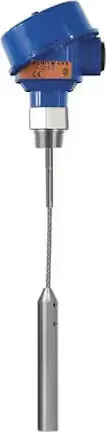
Guided Wave Radar Sensor (GWR)
02 Continuous / interface

Guided Wave Radar Sensor (GWR)

Microwave pulses travel down a rod or cable probe and reflect at the product surface. Largely maintenance-free, and able to see the interface between two liquids such as oil and water, or through foam.

Best for
All kinds of liquids, interface, small process vessels

InterfaceFoam tolerantLow maintenance
Ultrasonic Level Sensor
03 Continuous

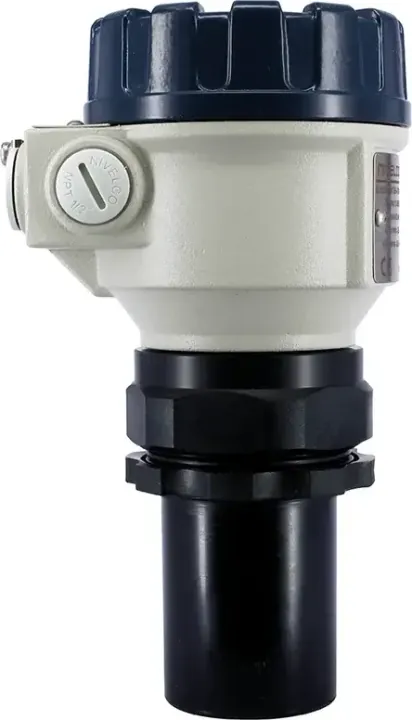
Ultrasonic Level Sensor

A cost-effective non-contact measurement for liquids and bulk solids. A proven choice for open channels, sumps, lift stations and chemical storage tanks.

Best for
Water, wastewater, chemical tanks, open channel flow

Non-contactCost-effective
Hydrostatic Level Transmitter
04 Continuous

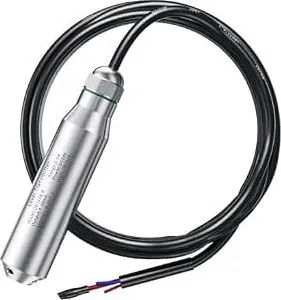
Hydrostatic Level Transmitter

A submersible IP68 pressure transmitter infers level from the weight of the liquid column above it. The simple, robust answer for deep wells, boreholes and reservoirs.

Best for
Deep wells, reservoirs, ship tanks

IP68 submersible4–20 mACeramic cell
Vibrating Fork Level Switch
05 Point level

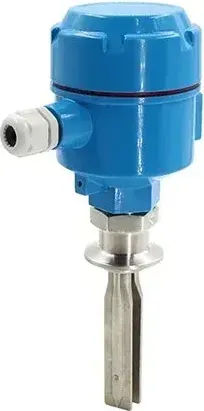
Vibrating Fork Level Switch

A universal point-level switch for practically all liquids. Used for overfill prevention, pump dry-run protection and high/low alarms, with no calibration to the medium.

Best for
Overfill and dry-run protection

Point levelNo calibration
Float Level Switch
06 Point level

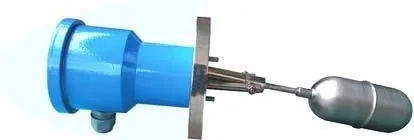
Float Level Switch

The dependable workhorse of pump control in wastewater pumping stations, groundwater and drainage pumping. Simple to install and easy to replace.

Best for
Sumps, lift stations, drainage

Pump controlSimple
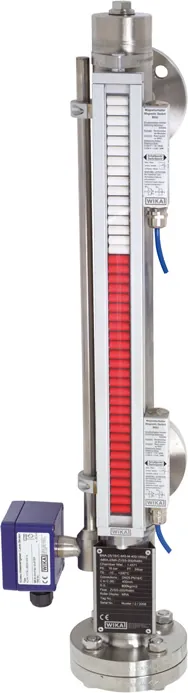
Magnetic Level Gauge
07 Local indication

Magnetic Level Gauge

A bypass-mounted visual indicator that keeps working without power. Built for high temperature and pressure, full vacuum and low specific gravity liquids.

Best for
Boilers, separators, high-pressure vessels

No power neededHigh P / T

Selection

How we choose the right instrument.

01

The medium

Liquid, slurry or solid? Conductive, corrosive, foaming, sticky or dusty? Dielectric constant and density decide which principles will work.

02

The vessel

Height, nozzle size, agitators, heating coils and internal structures all affect beam path and probe choice.

03

Process conditions

Temperature, pressure, vapour, vacuum and hazardous-area classification narrow the selection.

04

What you need to know

A high alarm, a continuous level, an oil-water interface or a volume for inventory — each has a different best answer.

FAQ

Questions we hear most.

Not answered here? Ask an engineer directly.

Ask on WhatsApp

Which level measurement technology is best for my tank?

It depends on the medium, the vessel and the process conditions. Non-contact radar suits most liquids and bulk solids, including agitated or dusty vessels. Guided wave radar is preferred for interface measurement, foam and small vessels. Hydrostatic transmitters suit deep wells and reservoirs, and ultrasonic sensors are a cost-effective choice for water, wastewater and simple chemical tanks.

What is the difference between radar and ultrasonic level measurement?

Radar uses microwaves, which are largely unaffected by vapour, temperature changes, pressure or dust. Ultrasonic uses sound, so its accuracy can be affected by temperature gradients, heavy vapour and foam. Ultrasonic usually costs less; radar is more reliable in difficult conditions.

Can you measure the interface between oil and water?

Yes. A guided wave radar transmitter detects both the upper liquid surface and the interface below it, so one instrument can report total level and the oil-water interface.

How do you measure level in a deep well or borehole?

With a submersible hydrostatic level transmitter. It is lowered into the liquid on its cable and infers level from the pressure of the liquid column above it, typically with a 4–20 mA output.